
Archiv der Kategorie: Strategy

Strategy consists of vision, mission, SWOT, Critical success factors, Value disciplines, strategic direction, strategic goals and strategic core.

Where do I want to go?

The longer an enterprise exists, the more with difficult it is to maintain the enthusiasm. An impressive illustration of the direction and the goals produces the necessary energy to keep the momentum during the activity. This is valid for teams and particularly for each person – inclusive oneself. This direction can be more or less extensively prepared as a text, a metaphor or an image. Remember the following visions:

  • … before this decade is out, of landing a man on the Moon and returning him safely to the Earth? (J.F. Kennedy)
  • … a computer in each household? (Bill Gates)
  • … ideas worth spreading? (Chris Anderson)

These future pictures from the past are already accomplished. In order to make this happen, it needs many people and much time. The direction becomes tangible by defining the strategy (where you want to go) and motivates the involved people to take part during a longer period.
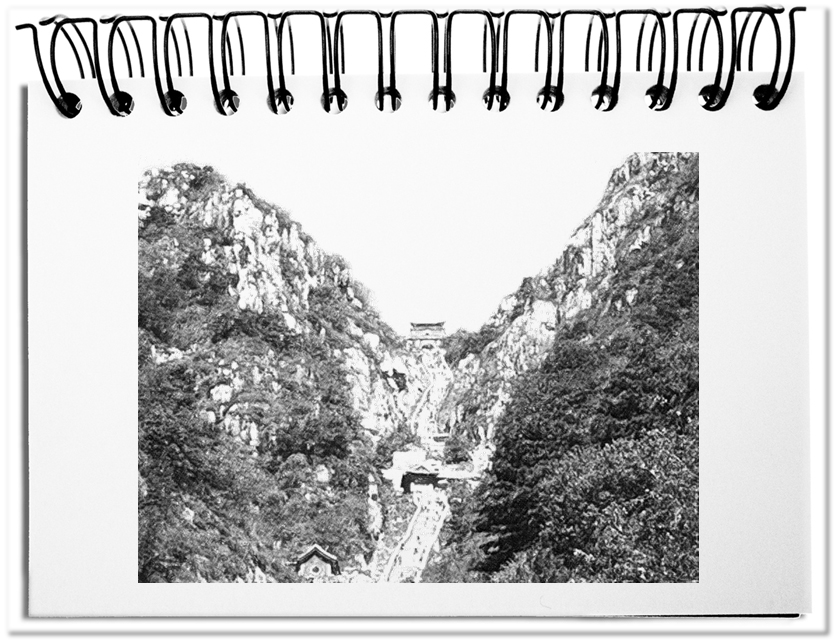
Strategie03Miss

The following parts provide the comprehensive picture of the future.

  • Vision
    Through the easily conceivable picture of the desired future, the vision, the creativity of the involved people becomes stimulated and creates momentum that prevails for a long time. At best it affects, if it is described in a way, as if it already would be reality.
  • Mission
    The general assignment, the mission, includes the expectations of the decision makers. The mission produces a view of target states similar to the vision. Additionally, it contains the expectations of the leadership team with their assumptions and a consistent explanation, including what should be done, for whom, and what it makes special.
  • Influence factors
    The description of the influence factors (i.e. the critical success factors, the favored value discipline as well as the strengths, the weaknesses, opportunities and risks) shows the involved people the external framework that should be expected during the realization.
  • Strategic direction
    The generally targeted trends create focus for the people involved. It enables them to bring in their competencies. For example, the will to grow or shrink explains additionally, what is intended to be reached, see here.
  • Strategic goals
    The strategic goals are the framework for breaking down the aims. At the same time, it shows a compact overview of the intentions. Make sure that the highest level covers the entire topic.
  • Strategic core
    In the future the core competencies, the core processes and core deliverables become more and more important, since overarching cooperation’s take place more frequently in different constellations (e.g. across locations or enterprises). Clarify the substantial abilities for your deliverables. Limit yourself on those aspects that you actually need for your value creation. Last but not least it is important to assign the products and services that have to be produced to each unit or person.

Bottom line: In times, when everything is possible, it is important to determine your own future. The strategy, described as clear as possible, is the pre-requisite for the ever more frequent cooperation in various groupings. It ensures that all people pull the rope in one direction and at the same time that only a few friction losses arise from conflicts or misunderstandings.

Same series:
Who am I?

What do I do?

Out of the liability

The pressure on decision makers is increasing. The decisions of the board and the managing directors result more and more frequently in criminal convictions. Compliance and potential breaches of duty threaten executives. As long as things go well and no illegal crimes are existing, there is no danger. However, as soon as success is missing, decision makers should expect that they could be sued by their own company. What are the options, in order to get out of the liability?

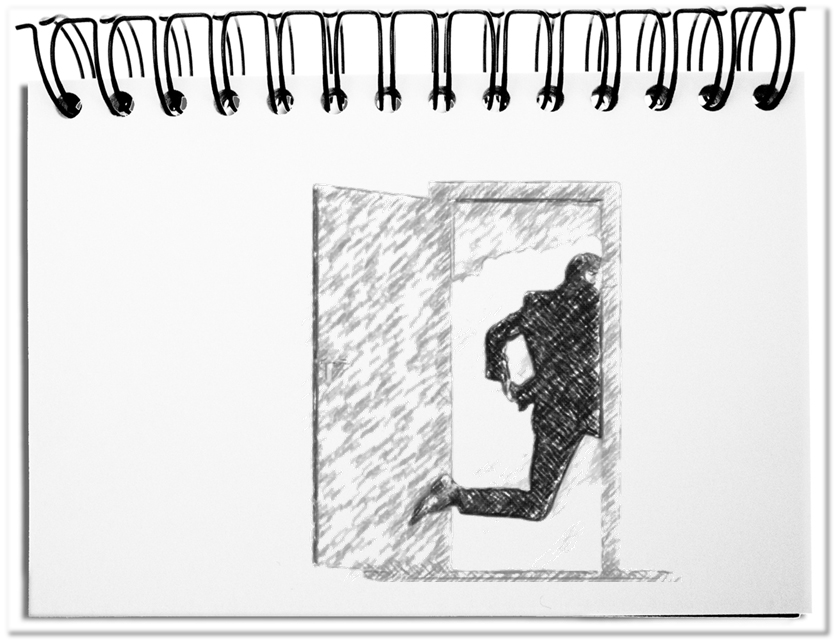
Flucht

There is always a residual risk that no one can escape. At least you can reduce the risk with the following counter measures.

  • Governance
    Documented specifications show the effort to enforce proper behavior. This is underlined by continuous emphasis of rules in meetings and events.
  • Subcontractors
    The use of subcontractors enables the transfer of the operational responsibility. Thereby you can bypass liability for employees that could result from labor and works agreements. Also the risk of mismanagement is passed in the first place to the subcontractor (e.g. the Doha Express Highway – Bilfinger versus Tubin; the oil platform Deepwater Horizon – BP versus Transocean).
  • Outsource critical fields
    In the balance you can separate risk-loaded areas from the current business. A good example is the foundation of bad banks, in which banks moved risky, bad papers during the crisis, whereby the risk was passed on to taxpayers. Most current example to creep out of the liability is the attempt to extract risky parts from the actual enterprise EON. By splitting off the dirty technologies coal, atom and gas, with all its risks, EON prepares the way for passing the follow-up costs of the aftercare to the German taxpayers.
  • Shift attention
    It is smart to divert the attention to another topic in case that one actually has to take care of the problem. The first impulse is surely the nomination of a scapegoat. Distraction provides also complaining about drastic consequences and the need to prevent it. Celebrating results that are already achieved always works in any case.
  • Escaping
    In the past, it has proven especially effective to sell the critical enterprises (like in the case of Bhopal the sale of Union Carbide to Dow Chemical) or the development of a new strategy that makes the old problems obsolete (as in case of founding a new airline by Lufthansa). A personal strategy could be to change the job.
  • Confession
    To admit failure based on leaked out circumstances is always the ideal step for damage control. In any case attempts to hush up something will sooner or later become uncovered and creates the impression of bad conscience. A confession also reduces the height of the punishment for legal misdemeanors.

Insurers already offer liability manager insurances in case of emergency. This D&O*-insurance covers mistakes that are not committed deliberately.

Bottom line: On the one hand new styles of leadership result in a larger participation of the employees during decision making. At the same time the bosses are held personally accountable. Therefore, one has to consider that the decision for taking over a leadership position is not only determined by the desire for m ore money, but also by the willingness and the ability to take risks. With the measures above the liability can be minimized.

*) D&O = Directors and Officers