
Es ist falsch zu meinen, dass alle kreativ Neues finden müssen. Ideen alleine reichen ja nicht aus. Sie müssen auch gestaltet, einsatzfähig und kontinuierlich geteilt werden. Dies erfordert Designer, Umsetzungsfachleute und Kommunikatoren. Ohne die Ideengeber gibt es jedoch nichts umzusetzen. Trotzdem meinen viele, sie müssten sich an der Ideenfindung beteiligen. Für manche ist aber das weiße Stück Papier, das mit der Idee gefüllt werden soll, eine unüberwindliche Hürde. DER Weg hilft aus der Ideenlosigkeit.
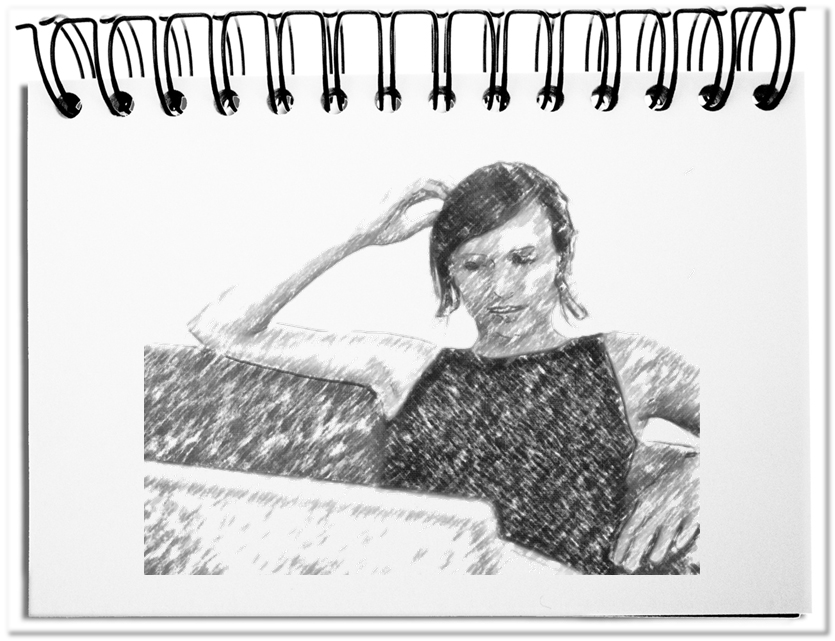
Wenn man keine Ideen hat und anfängt Ergebnisse einfach unreflektiert zu kopieren, sich nicht für eine Idee entscheiden kann oder immer wieder beklagt, dass man sich mal die Zeit nehmen sollte, über etwas nachzudenken, genau dann braucht man einen Weg, um aus der Ideenlosigkeit herauszukommen. Hierbei helfen die nächsten drei Schritten.
- Denken
Vor allem anderen ist es wichtig, dass man sich die Zeit nimmt ein Thema zu durchdenken. Es bleibt dabei jedem überlassen, wie man dies am besten hinbekommt. Die einen laufen einmal um den Block und finden dabei ihre Lösung. Andere blättern in Büchern oder Zeitschriften und können dabei einen Faden aufnehmen. Wieder andere brauchen ein Blatt Papier, das sie mit Skizzen und Wortfetzen füllen, die nach mehreren Iterationen zu einer schlüssigen Struktur führen. Egal wie, man muss sich die Zeit nehmen. Ohne bleibt einem nichts anderes übrig, als sich dem Schicksal der Ideenlosigkeit zu ergeben. - Entwickeln
Steht die Idee, beginnt die eigentliche Arbeit. Die einzelnen Elemente müssen jetzt ausgearbeitet und abgestimmt werden. Dieser Schritt folgt nahtlos dem ersten. Jetzt wird es wichtig zu recherchieren, Fakten zu sammeln und schließlich ein stimmiges Konzept zu beschreiben, das in den gewünschten Kontext passt. Dies benötigt mehr Zeit als der erste. Aus diesem Grund empfiehlt es sich, diese Ausarbeitungen im Team durchzuführen. Auf Basis des ersten Schrittes hat man ausreichend Material, um die Arbeit auf mehrere Schultern zu verteilen. Außerdem erhält man zusätzliche Perspektiven, die das Konzept über die ersten Kritikerhürden hinweg hebt. Auch hier muss man akzeptieren, dass dies Zeit kostet. - Rezipieren
Nachdem das Konzept ausgearbeitet ist, muss es sich in der Realität bewähren. Das geht jedoch erst, nachdem man es verinnerlicht hat. Zu diesem Zweck liest man sich die Ergebnisse durch und überlegt, wie man sie zum Einsatz bringt. Jetzt kann man in die erste Anwendung gehen und letzte Schwachstellen erkennen und anpassen. Geht man zu früh in die Breite, dann potenzieren sich die Schwachstellen und das Konzept hat keine Chance zu überleben. Auch die Rezeption benötigt ausreichend Zeit, um ihre Wirkung zu erzielen.
Begibt man sich auf keinen Weg, dann ist man bereits am Ziel angekommen – oder anders gesagt, ohne Schweiß kein Preis. Genauso verhält es sich mit der Ideenlosigkeit. Nimmt man sich nicht die erforderliche Zeit, um einen Sachverhalt zu durchdenken, ihn zu entwickeln und zu verinnerlichen bleibt man so ideenlos wie vorher. Da nützen einem dann auch keine anderen Fähigkeiten.
Fazit: Ideen fallen nicht vom Himmel, sondern sind das Ergebnis von anstrengender und andauernder Denkarbeit. Sie folgt dem Prozess Denken, Entwickeln und Rezipieren. Dieser Weg aus der Ideenlosigkeit erfordert Anstrengung und Zeit. Nicht alle müssen jede Phase durchschreiten. Für einen selbst ist es nur wichtig herauszufinden, welcher Teil des Weges am besten zu einem passt.