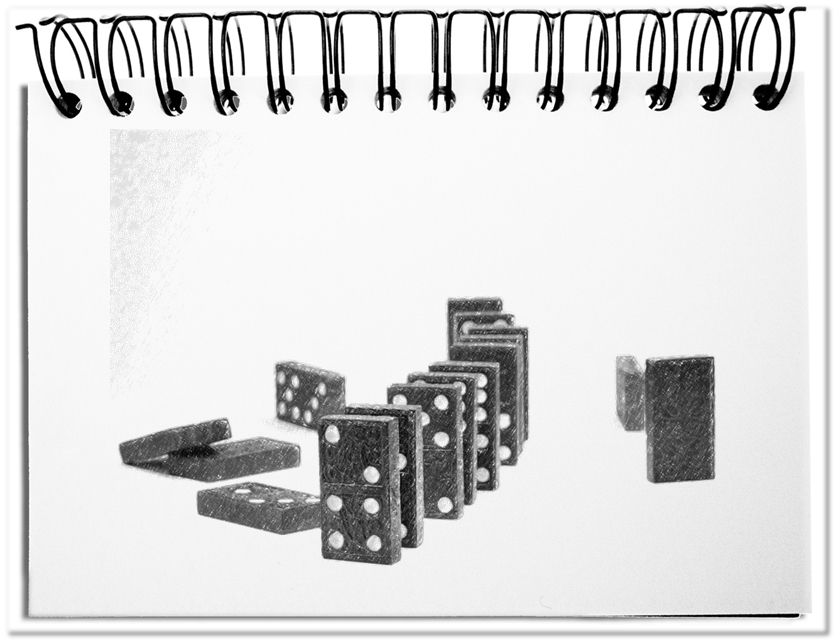
The longer an enterprise exists, the more with difficult it is to maintain the enthusiasm. An impressive illustration of the direction and the goals produces the necessary energy to keep the momentum during the activity. This is valid for teams and particularly for each person – inclusive oneself. This direction can be more or less extensively prepared as a text, a metaphor or an image. Remember the following visions:
- … before this decade is out, of landing a man on the Moon and returning him safely to the Earth? (J.F. Kennedy)
- … a computer in each household? (Bill Gates)
- … ideas worth spreading? (Chris Anderson)
These future pictures from the past are already accomplished. In order to make this happen, it needs many people and much time. The direction becomes tangible by defining the strategy (where you want to go) and motivates the involved people to take part during a longer period.
 Miss
Miss
The following parts provide the comprehensive picture of the future.
- Vision
Through the easily conceivable picture of the desired future, the vision, the creativity of the involved people becomes stimulated and creates momentum that prevails for a long time. At best it affects, if it is described in a way, as if it already would be reality. - Mission
The general assignment, the mission, includes the expectations of the decision makers. The mission produces a view of target states similar to the vision. Additionally, it contains the expectations of the leadership team with their assumptions and a consistent explanation, including what should be done, for whom, and what it makes special. - Influence factors
The description of the influence factors (i.e. the critical success factors, the favored value discipline as well as the strengths, the weaknesses, opportunities and risks) shows the involved people the external framework that should be expected during the realization. - Strategic direction
The generally targeted trends create focus for the people involved. It enables them to bring in their competencies. For example, the will to grow or shrink explains additionally, what is intended to be reached, see here. - Strategic goals
The strategic goals are the framework for breaking down the aims. At the same time, it shows a compact overview of the intentions. Make sure that the highest level covers the entire topic. - Strategic core
In the future the core competencies, the core processes and core deliverables become more and more important, since overarching cooperation’s take place more frequently in different constellations (e.g. across locations or enterprises). Clarify the substantial abilities for your deliverables. Limit yourself on those aspects that you actually need for your value creation. Last but not least it is important to assign the products and services that have to be produced to each unit or person.
Bottom line: In times, when everything is possible, it is important to determine your own future. The strategy, described as clear as possible, is the pre-requisite for the ever more frequent cooperation in various groupings. It ensures that all people pull the rope in one direction and at the same time that only a few friction losses arise from conflicts or misunderstandings.
Same series: