
Archiv der Kategorie: Communication

Communication consists of perception, thought models and communication behavior.

Define your reality

On media channels like Facebook, Twitter, YouTube, LinkedIn private and business statements find their way timely into the public. Particularly the business statements form an indispensable part of the Corporate Identity. It is an advantage on the long term to sent effective and consistent messages, since the Internet keeps news for a long time available. In case of conflict they should be arranged in such a way that the public receives the impression that you engage yourself in the search for a solution, without making any concessions. In order to get over a crisis with little damage, you define your reality.
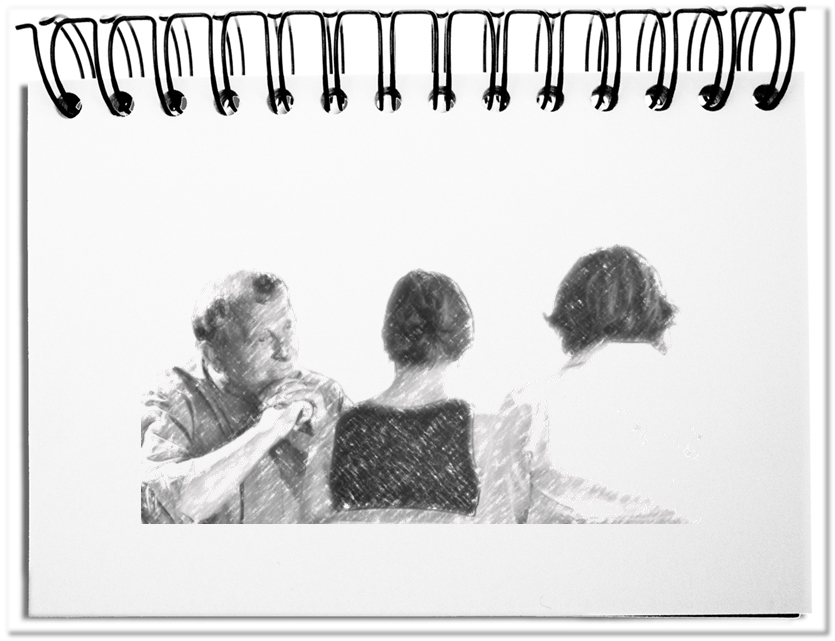
Eigene Wirklichkeit

In exceptional situations formulations are often used, like „… without sense and emergency… “, „… It would be irresponsible, if we played on time. … “or „… We are only concerned about de-escalation and pacification of the total situation. … “. Assessments are made, without assessing.

What can we learn from it?

  • Take care of your own point of view
    Always specify your perspective and offer thereby the public your assessment. Avoid dark sides in your presentation.
  • Stay constantly honest
    Always remain with the truth in everything that you communicate. Due to the general visibility, false statements will find sooner or later their way to light.
  • Be ruthless positive
    Remain always positive. Avoid negative statements and obvious accusations.
  • Avoid criticism
    Show your interest and compassion for the victims of the current conflict and emphasize their needs, without criticizing.
  • Provide alternatives
    Find alternative ways, which could provide a solution, and announce them without further details at an early stage.
  • Communicate, communicate, communicate
    Strive for a large public with your efforts. This produces support that makes pressure on the responsible people.

Bottom line: Define your reality as positive as possible. The public remembers gladly optimistic messages. You put pressure to act on other participants. The hour of the truth always takes place later. However, you ensure that the ball does not lie on your side for the moment. Who will eventually bear the consequences of the problems, defines only the future.
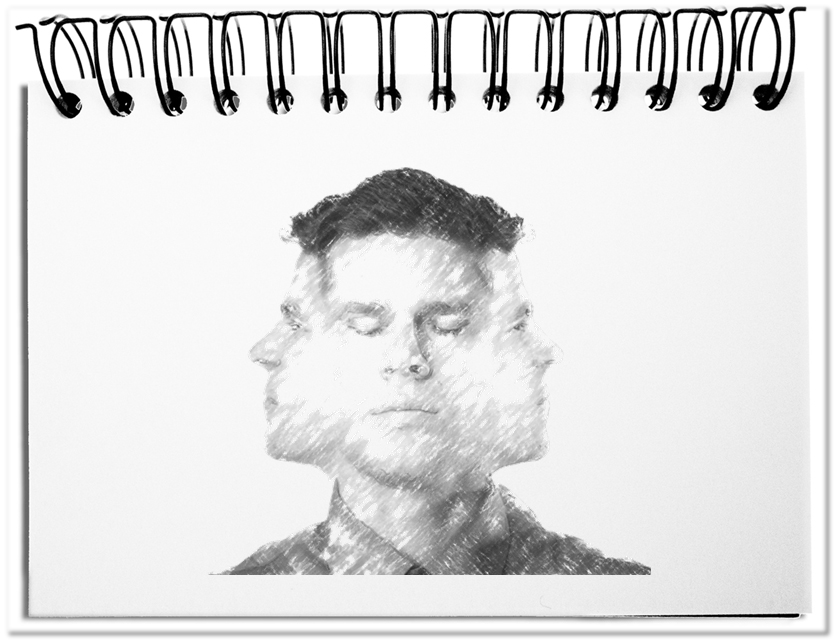
Simply attentive

The urge of further improving the economics brings the staff members, above all, more tasks, which have less available time for execution. This results in pressure that produces physical and mental damages. Subsequently the ability gets lost to be simply attentive at any time.

Aufmerksamkeit

The current situation is determined by the own mental state and the mood of the partners. In order to use the various perspectives, one has to take time to make oneself aware of the different points of view. This is valid for the own convictions, opinions and experiences, but also for trying to understand the mental world of other people and groups.

Experienced reflections that will be ever easier over time become possible through a set of smart questions. The following aspects enable the dispute with yourself and putting oneself in the position of others.

  • Context
    A situation always happens in a certain environment. At which times (when), in which environment (where), with whom (who), by using (by what), with which emphasis (why) and for which purpose (what for), happens something (what)? Only the procedures that take place in the context should be considered. All others should be excluded.
  • Influence
    In a situation various interests collide. For this reason you should limit yourself to the circumstances that you can influence. Which components of the context are important (which) and can be affected by yourself or by others (who)? Only the facts that can be influenced make a difference.
  • Procedure
    The event is defined by the acts that proceed in a certain order. What triggers the situation (Cause), which steps take place in which order (Sequence) and what results from the situation (Outcome)? The procedure provides the individual causes and effects that result eventually in the outcomes.
  • Perception
    Our perception is limited by the own horizon. One way to overcome this restriction is the consideration of all senses. What can be seen (visually)? What can be heard (auditory)? How does it feel like (kinesthetic)? What can be smelled (olfactory)? What can be tasted (gustatory)? Through the consideration of the different sensory stimuli you receive a comprehensive impression of the circumstances.
  • Core
    The insights that one connects with the circumstances, make the core of the conditions more concrete. What does one learn from the situation (Insights) that is useful (Advantages) or harms (Disadvantages) oneself? The point of view is extended by the consciously made pros and cons and minimizes unintentional effects.
  • Concernment
    The unconscious influences become visible by looking at the own convictions. Which values will become injured and which negative attitudes are confirmed by the situation? The recognition of the intuitive influences de-emotionalizes the evaluation of the situation.

If you look at the six aspects from the own perspective or with the eyes of others, you can receive a comprehensive overview of a situation at any time.

Bottom line: In order to be simply attentive, it is important to recognize and to examine with the above questions the involved points of view. Thus one gets away from the naturally subjective perception of the conditions and gets a clearer basis for effective discourses.