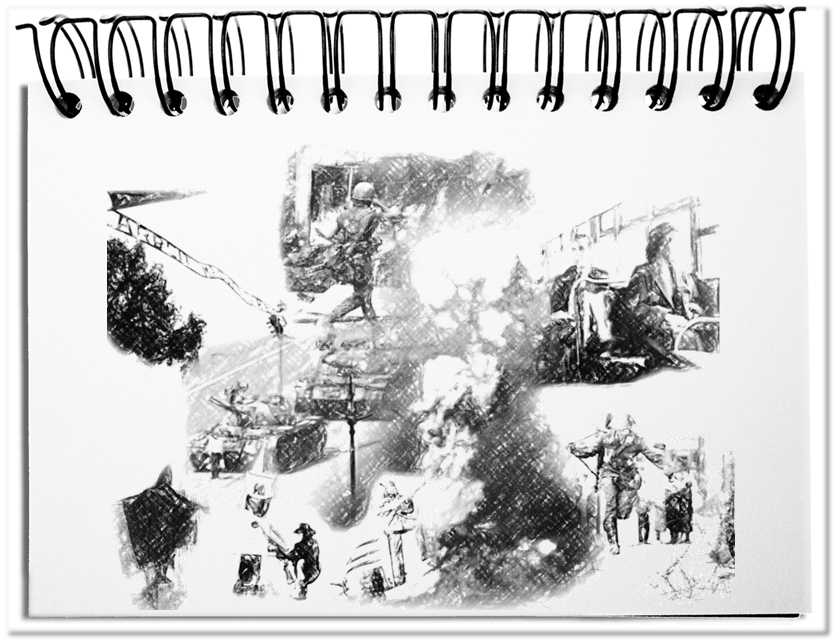
Leaders, who are in charge formally or informally, shape large groups. The role model of leaders determines the behavior of the members on all levels. Good, but unfortunately also bad habits are transmitted and reused thoughtlessly. The decisiveness, the readiness for risk and openness are just some positive characteristics that make the enterprise fit for unexpected events. In times when accuracy is more important than decided action, the employees develop passive approaches that help to avoid being noticed due to too many breakdowns. In addition to sitting out issues, beating around the bushes and the noncritical fulfillment of tasks, the ‘sticking the head in the sand’ seems to promise a way out. Nevertheless, it only provides disadvantages.
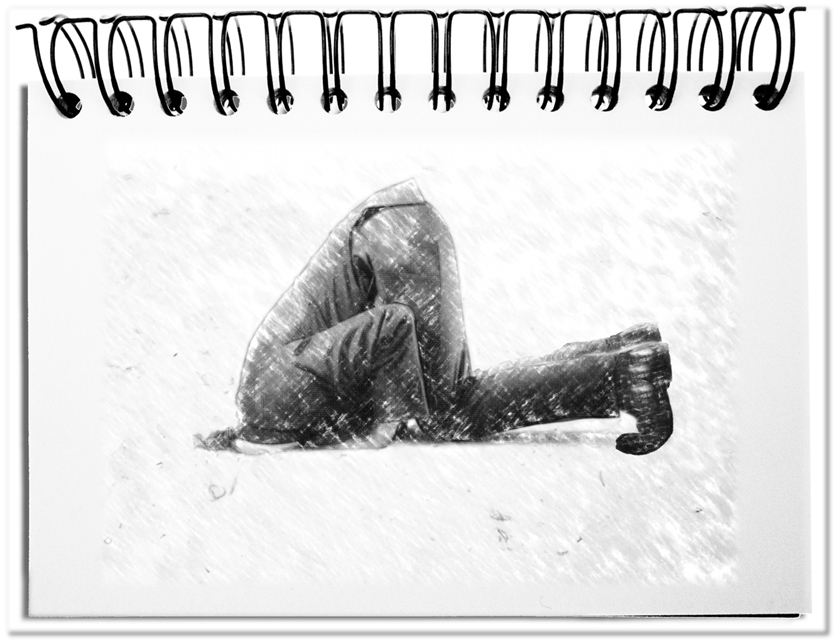
After the slogan ‘No one sees, what I do not see’ the decision makers save themselves quickly into their own mindscape, without paying attention to the signs coming from the context. The better approach is the attentive observation of the environment with the following measures.
- Benefit from the contributions of superiors, colleagues, employees and others!
The proposals that are provided by the environment, offer frequently solutions for most of the difficulties. In order to lift these treasures of proposals, it needs nothing else than the ability to listen. Formally, idea forums or suggestion systems can be installed and evaluated with little expenditure on the web. - Detect weaknesses and risks!
As soon as the employees assume that the quest for possible complications eventually creates the inconvenience, preliminary avoidance of trouble is no longer possible. Tools, such as SWOT, the view of strengths, weaknesses, opportunities and risks, provide good results, in order to step out of the way of obstacles. - Use opportunities!
The well-known coin that lies on the street, of course, must be seen, in order to pick it up. In a similar way, it is important to keep the eyes open for opportunities, which create one or the other way around problems. With the appropriate plan radar, opportunities can be identified at an early stage. - Cultivate long-range views!
The future cannot be seen until it becomes present. However, since it is mostly build on existing aspects, you can develop scenarios that can be derived from the available insights. The consequences that will be discovered from these perspectives, improve in any case your ability to react appropriately to the future. The joint development and the spreading of the scenarios empower cooperation. - Foster decisions!
As long as mistakes are not considered valuable experiences, it is difficult to get long-term agility based on decisive employees. In centralized companies, like for example those in the Middle East, the boss signs personally even the smallest procedure. It is surely better to use the current hierarchies in such a way that the responsible level makes the decisions. In the event of a fault, nobody should be afraid that apart from the actual difficulties, additional punishments could take place.
Bottom line: Sticking the head in the sand creates only disadvantages – for the enterprise. Therefore, an environment that tolerates mistakes and provides elbow freedom for the entrepreneurial spirit of the employees is needed. Difficult decisions in the interest of the company should be taken quickly and decisively. One, who closes the eyes to the reality, is disturbing sand in the gear.