
Die Arbeitswelt befindet sich in Bewegung. Globalisierung, die Informationsgesellschaft und die Digitalisierung verwandeln die Arbeitsumgebung mit einer Wucht wie beim Aufkommen der Dampfmaschine. Körperliche Arbeit wandert in der Welt dahin, wo sie am billigsten ist. Die physischen Wertgegenstände werden durch informationelle ersetzt. Die Digitalisierung virtualisiert die Abläufe in der Wirtschaft. Die verbleibenden Arbeitsplätze bieten entweder teure qualifizierte oder prekäre weniger ausgebildete Tätigkeiten. In beiden Fällen reicht das Geld nicht mehr, um die Leute bei der Stange zu halten. Das Management denkt, dass sich die Belegschaft gute Vergütung, einen sicheren Arbeitsplatz, Förderung und Wachstum, gute Arbeitsbedingungen, interessante Arbeit, mitfühlende Hilfe bei persönlichen Problemen, Loyalität zu den Mitarbeitern, sichtbare Anerkennung, taktvolle Disziplin und aktive Beteiligung am Unternehmensgeschehen wünscht. Sind das die Dinge, die gewollt sind?
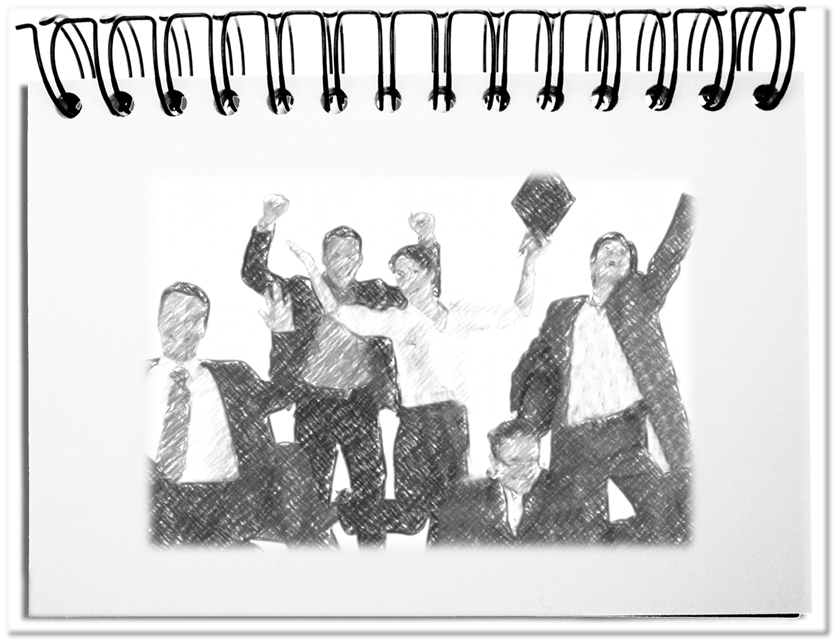
Im Folgenden sind ein paar Kriterien aufgelistet, die für jeden von uns von Bedeutung sind. Sie basieren auf diesen Ideen.
- Sichtbare Anerkennung
Leistungsfähigkeit steckt in jedem Mitarbeiter. Zusätzliche Verstärker sind Lob, Bestätigung und Respekt. Die größte Wirkung wird erreicht, wenn die Wertschätzung für alle sichtbar ist. Gelegenheiten gibt es ständig – bei Meetings, am Ende eines Projekts, bei Feiern. - Förderung und Wachstum
Vor allem bei der jungen Belegschaft bieten Entwicklungsperspektiven einen Motivationsschub, der relativ lange wirkt. Gestaffelte Programme, die sich über Jahre hinziehen, erhöhen einerseits die Einsatzfähigkeit und erhalten andererseits den Anspannungsgrad. Dazu gehören Zertifikate, Trainings mit prominenten Trainern sowie Weiterbildungen, die die Mitarbeiter interessieren sowie letztendlich kontinuierliches Wachstum durch Beförderung. - Aktive Beteiligung
Wird über die Köpfe der Mitarbeiter hinweg entschieden, senkt dies den Leistungswillen. Durch Mitarbeiterbeteiligung gestalten alle gemeinsam die Zukunft. Dies reicht von Kapital- über Erfolgsbeteiligungen bis hin zur gemeinsamen Gestaltung der Arbeitsabläufe und der Arbeitsbedingungen, wie kontinuierliche Verbesserungsprozesse, Qualitätszirkel oder die lernende Organisation. Wichtige Bausteine sind die Elemente der Selbstorganisation – die Mitgestaltung der Strategie, der Strukturen und der Prozesse sowie der Mitsprache bei Entscheidungen, die einen betreffen. - Gute Arbeitsbedingungen
Die Arbeitsbedingungen werden bestimmt durch verschiedene Faktoren. Die subjektiven werden beeinflusst durch körperliche, geistige und seelische Zustände, die zu einer persönlichen Einstellung führen – z.B. einer positiven Sicht, Erschöpfung, Abneigung. Die sachlichen ergeben sich aus der verfügbaren Technik, der Attraktivität des Arbeitsplatzes sowie den offiziellen Regelungen bzgl. den Pausen, der Gleitzeit oder dem Urlaub. - Gute Vergütung
Auch wenn die Bezahlung keine langfristige Wirkung hat, stellt sie eine wichtige Grundlage für die Mitarbeiterzufriedenheit dar. Grundsätzlich liefert die Aufteilung in fixe und variable Vergütung einen zusätzlichen Motivator in Form von Gehalt, Urlaubs-/ Weihnachtsgeld, Prämien. Dabei ist es förderlich, wenn die Verteilung zu einem großen Anteil abhängig ist von der jeweiligen Einzelleistung. „Sozialistische“ Umlagen auf Basis des Gesamterfolgs, ohne Berücksichtigung des persönlichen Beitrags, bringen den Einzelnen weniger in Schwung. - Mitfühlende Unterstützung bei persönlichen Problemen
Die wichtigsten Beziehungen im Alltag finden sich im Arbeitsumfeld. Dies führt dazu, dass auch persönliche Probleme mit der Zeit sichtbar werden. Wenn das Unternehmen eine vertrauensvolle Umgebung bietet, die es erlaubt, bei persönlichen Problemen vom Vorgesetzten Unterstützung zu erhalten oder sogar von der Personalabteilung, dann ist die Belegschaft intrinsisch dem Unternehmen verpflichtet. - Interessante Arbeit
Für die besonders leistungsfähigen Mitarbeiter sind interessante Aufgaben im Besonderen ermunternd. Hierfür sollten die Herausforderungen zu der Interessenslage des Einzelnen passen, einen bestimmten Schwierigkeitsgrad haben oder zusätzlichen Status versprechen. In Verbindung mit sichtbarer Anerkennung sind dabei die Mitarbeiter langfristig motiviert. - Loyalität zu Mitarbeitern
Aktive Maßnahmen zur Mitarbeiterbindung sichern die Loyalität. Dazu benötigt man nur gerechte Rahmenbedingungen, offene Kommunikationskultur, Rückhalt und beispielsweise eine sichtbare Anerkennung. Schlechte Personalführung ist ein zentraler Grund für fehlende Loyalität. Bemerkt das Unternehmen diesen Loyalitätsverlust nicht, dann werden sie von der Kündigung des Mitarbeiters überrascht. - Sicherer Arbeitsplatz
Arbeitsplätze werden sicher, wenn man körperlich und psychisch unversehrt bleibt und der Platz, an dem man arbeitet, ungefährlich ist. Die möglichen Bedrohungen des Arbeitsplatzes werden durch die Gefahr keinen zu haben in den Schatten gestellt. Die Flexibilisierung der Arbeitswelt ist möglich geworden durch leistungsfähige IT-Programme. Die vereinfachte Personalauswahl und -verwaltung hat die Tür geöffnet für flexible Arbeitszeitmodelle und vielfältige Beschäftigungsverhältnisse. Die Folge sind prekäre Jobs, Teilzeitarbeit und steigende Fluktuation. - Gefühlte Selbstwirksamkeit
Der Freiraum, der für die Verbesserung der Arbeit zur Verfügung steht, erzeugt die Selbstwirksamkeit, die einen zur Mitarbeit motiviert. Sobald man aus eigenem Antrieb Veränderungen vornimmt, die dafür erforderlichen Aufgaben selbst priorisiert und zeitlich einplant, macht man sich die Verbesserung zu eigen. Die dafür erforderliche Selbstdisziplin und der Respekt im Umgang miteinander bestimmen das Arbeitsumfeld entscheidend.
Fazit: Was im Arbeitsalltag gewollt ist, befindet sich mal wieder in Bewegung. Die heutige Lebenseinstellung fordert straff organisierte Unternehmen heraus. Die Belegschaft wünscht sich sichtbare Anerkennung, aktive Beteiligung, mitfühlende Hilfe bei persönlichen Problemen, einen sicheren Arbeitsplatz, gute Vergütung, interessante Arbeit, Förderung und Wachstum, Loyalität zu den Mitarbeitern, gute Arbeitsbedingungen und taktvolle Disziplin. Das unterschiedliche Verständnis bzgl. dem, was sich die Belegschaft wirklich wünscht, zeigt sich an der Priorisierung des Management (s. erster Abschnitt) und der Mitarbeitern (s. in diesem Absatz), z.B. dem Stellenwert einer interessanten Arbeit, der aktiven Beteiligung oder dem Wunsch nach mitfühlender Unterstützung bei persönlichen Problemen. Sobald die Führungskräfte das berücksichtigen, was gewollt ist, wird die Leistungsfähigkeit des Unternehmens steigen – siehe mehr hier!!