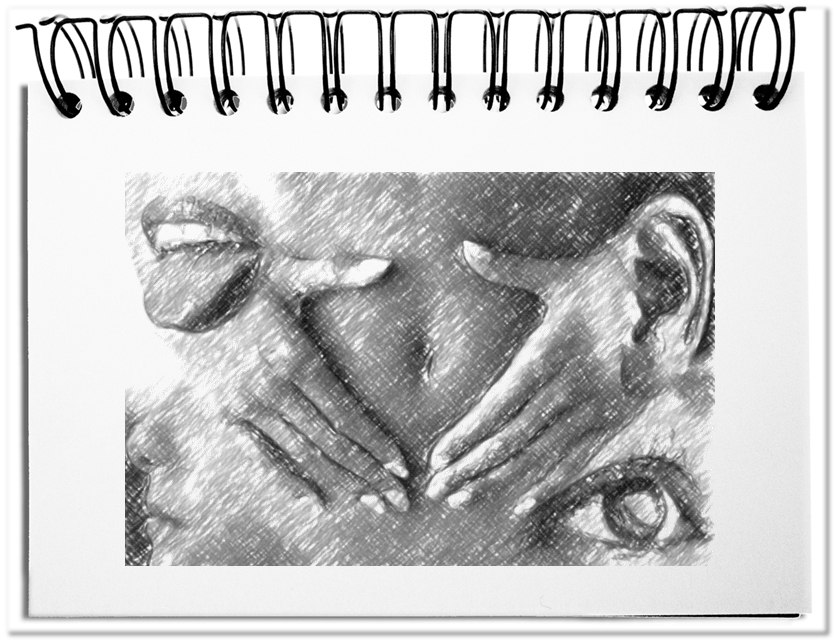
Unsere sinnliche Wahrnehmung findet in jedem einzelnen Kopf statt. Nichtsdestotrotz haben wir alle scheinbar ähnliche Eindrücke. Unternehmen bemühen sich, um diese grundsätzlichen Empfindungen zu ihrem Vorteil zu schützen. Dabei ist der eigentlich schützenswerte Aspekt die Gestaltung, die original von den Unternehmen entwickelt wird – die Schriftart, das Logo, das Produkt, die Verpackung. Die Konsumwelt wird heute jedoch mehr bestimmt durch das Markenmanagement als durch Unterschiede in der Güte der Produkte. Aus diesem Grund errechnet sich der Preis aus den Herstellungskosten plus dem Markenwert. Werden Farben der standardisierten Farbpaletten jetzt auch schützenswerte Eigenschaften? Sind natürliche Geräusche eine Lizenz wert? Kann man unsere Gesten und unsere Haptik schützen? Ist der Geruch eines Parfüms schutzwürdig? Lässt sich der Geschmack eines Apfels mit einer Nutzungslizenz versehen? Im Zuge der Ökonomisierung aller Bereiche des Alltags nähern wir uns vielleicht der nächsten Stufe – einer Flatrate für die Sinnenwelt.
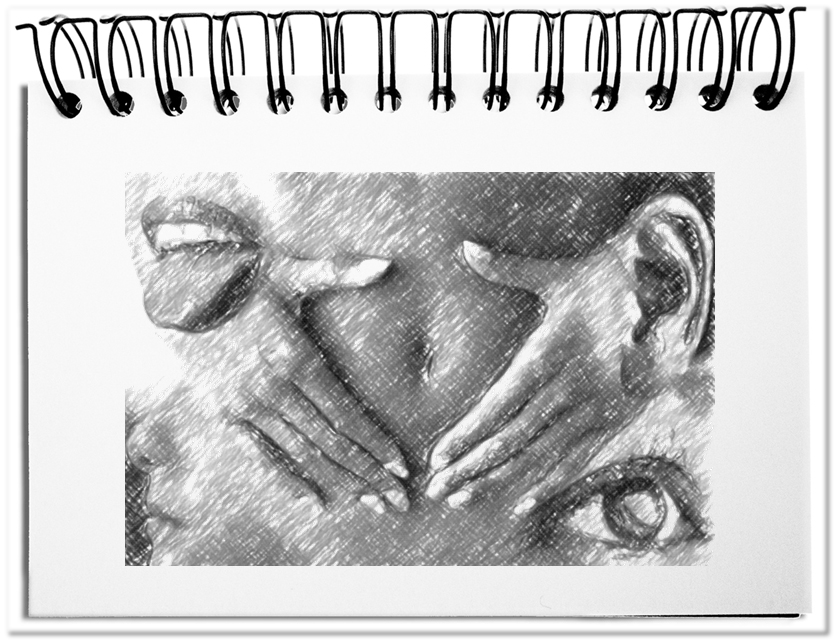
Ursprünglich hat sich der Markenschutz auf die originalen Produkte beschränkt. Langsam streben Unternehmen mit Patenten und dem Schutz von Marken an, sich auch Teile unserer Sinnenwelt zu sichern.
- Mit offenen Augen
Das eigentliche Bild, das ein Bildgestalter geschaffen hat, ist schon lange geschützt. Mittlerweile sind aber auch ähnliche Bilder eine Verletzung der Rechte eines Urhebers. Selbst Farben des natürlichen Farbspektrums werden als Eigentum eines Unternehmens behandelt – Beispiele sind Milka-Lila, Aral-Blau oder Telemagenta der Telekom. - Mit offenen Ohren
Die originale Aufnahme eines Lautmalers ist heute schon geschützt. Im Falle von Musik ist sogar das Konzept eines Stückes, die Komposition, bis 70 Jahre nach dem Tod des Komponisten geschützt. Wie lange wird es dauern bis nicht nur die originalen Aufnahmen, sondern auch allgemeine Lautsignale lizenziert werden – der Schrei eines beliebigen Vogels oder das bekannte Rauschen des Meeres? Ein gutes Beispiel ist der Herzschlag am Ende einer Audi-Werbung „Duke Du ke“ oder der Klingelton der Telekom „DaDaDaDiDa“. - Mit bewusstem Tasten
Das ursprüngliche Objekt mit seiner Oberfläche und seinem Material und der damit verbundene Programmcode sind geschützt. Sobald wir jedoch einen ähnlichen Reiz erhalten, beginnen die Rechtsstreitigkeiten. Wenn Apple versucht seine Schiebe-Geste zum Entsperren eines Smartphones zu schützen. Oder Verizon eine Touchscreen-Haptik anderen untersagen wollte. Wird irgendwann das Gefühl von natürlichen Oberflächen, wie Leder, Holz oder das Fell eines Pferdes, patentrechtlich geschützt? - Mit kritischer Zunge
Die echte Rezeptur einer Speise oder eines Getränks ist bereits geschützt. Sobald jedoch jemand in der Lage ist ähnliche Reize auszulösen, stellt sich die Frage, ob dies erlaubt ist. Am Ende werden wir uns die Frage stellen, ob der Geschmack eines Apfels an sich geschützt werden kann. - Mit sensibler Nase
Die Zusammensetzung, die einen bestimmten Geruch erzeugt, ergibt sich aus dem Verhältnis und der Qualität der einzelnen Bestandteile. Derartige Elemente dürfen heute nur nach entsprechender Lizenzierung genutzt werden. Stellen wir uns jedoch vor, jemand ist in der Lage mit einer völlig anderen Zusammensetzung den gleichen Effekt von Chanel No.5 zu erzeugen. Und was ist mit den vielen natürlichen Düften – der Duft von Zitronen, Rosen, Blumen oder Heu? Sind diese schutzwürdig?
Solange keiner seinen Widerspruch einlegt, können die Unternehmen sich langsam diese Bereiche unserer Wahrnehmung zu eigen machen und irgendwann Gebühren für deren Wahrnehmung fordern. Bei Wasser haben wir das Problem bereits. Die Ausbeutung von Wasser an den Oberläufen der Flüsse führt bereits zu Krisen im weiteren Flussverlauf. Dies könnte irgendwann auch dazu führen, dass die Luft, die wir atmen, oder ein Sonnenaufgang von uns bezahlt werden muss.
Fazit: Die Ökonomisierung von immer mehr Bereichen des Alltags schränkt das Allgemeingut ein. Diese Entwicklung wird sich nur zu einem frühen Zeitpunkt stoppen lassen. Vielleicht ist jetzt der Moment sich gegen eine Flatrate für unsere Sinnenwelt zu wehren.