
Wenn es mal nicht so läuft, wie man es sich als Chef wünscht, sind erst einmal die Anderen schuld. Nehmen wir an, dass die Vorstellungen des Vorgesetzten wohl durchdacht, stimmig und wirtschaftlich sinnvoll sind. Die Rückmeldungen der Kollegen erzeugen den Eindruck, dass dies der richtige Weg ist. Aus irgendeinem Grund bewegen sich jedoch die Mitarbeiter nicht in der gewünschten Richtung. Eigentlich ein Albtraum für den Chef.
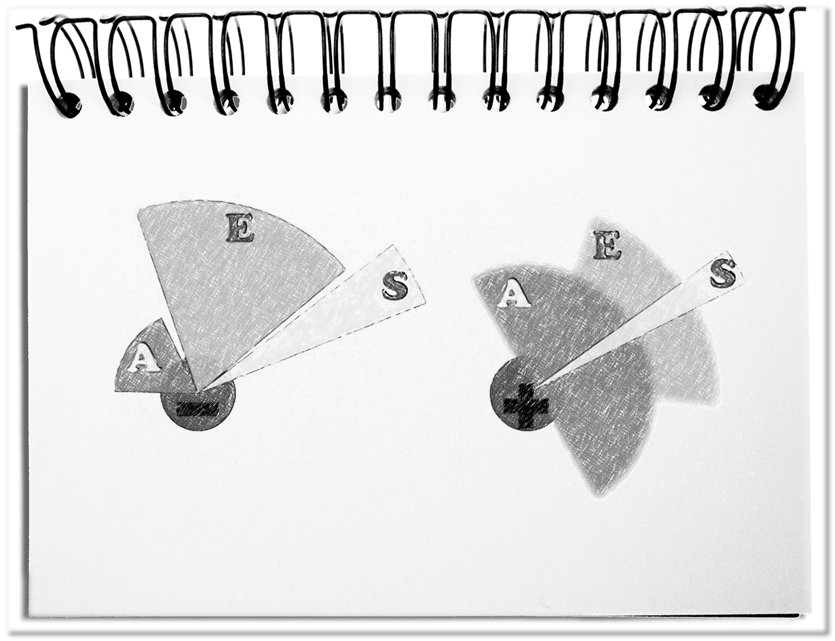
Der Albtraum beginnt nicht sofort, da man sich den fehlenden Schwung mit mangelndem Engagement erklärt. Immerhin finden sich bei näherem Hinsehen drei Aspekte, die entscheidend dazu beitragen, dass sich die Kräfte aller im Unternehmen in einer gemeinsamen Richtung bündeln.
- Erwartungen
Die Erwartungen der Führungskräfte bestimmen vor allem anderen, wie stark sie mit den Ergebnissen zufrieden sind. Je nach Charakter haben sie negative Befürchtungen oder positive Hoffnungen. Die Erwartungen beinhalten die Handlungen, die getan werden sollten, die Ergebnisse, die man schlussendlich in seinen Händen hält, oder die Konsequenzen, die sich in der Folge ergeben. Der Umgang mit Erwartungen ist schwierig, da sich selten, wenn überhaupt, nur wenige darum kümmern, diese für alle nachvollziehbar zu beschreiben. - Strategie
Die langfristigen Vorhaben beschreiben die Richtung der Firma. Die einzelnen Inhalte schaffen den Rahmen für alle Mitarbeiter, Partner und sogar die Kunden. Hier findet sich die Vision, die einen schlüssigen Schnappschuss der Zukunft bietet. Untermauert wird sie von der Mission, die die Raison d’être liefert. Bei der Bewältigung der alltäglichen Aufgaben helfen die kritischen Erfolgsfaktoren, die gewichteten Wertdisziplinen sowie die Beschreibungen der Stärken, Schwächen, Chancen und Risiken. Die langfristige Stoßrichtung benötigt eindeutige Botschaften, damit das Unternehmen darauf aufbauen kann. Die leicht verständliche und gut dokumentierte Strategie ist das Steuer, dass dem Unternehmen die Richtung gibt. - Aktivitäten
Die vielen Aktionen, die auf allen Ebenen des Unternehmens durchgeführt werden, lassen sich nur mit sehr, sehr viel Aufwand sammeln und auflisten. In größeren Firmen hat man verstanden, dass sich diese Sammlung nicht rechnet. Sichtbar werden die Anstrengungen aller in den gemeinsamen Ergebnissen. Es ist nur wichtig, den richtigen Detaillierungsgrad zur Beschreibung der Stellen und Abläufe zu finden.
Eine entscheidende Aufgabe der Führungskräfte ist die Steuerung und Koordination der Interessen aller Beteiligten.
Ein Albtraum wird es, wenn die drei genannten Aspekte sich an keiner Stelle überlappen. Dieses Minusszenario bedeutet, dass die Führungsmannschaft ihre Strategie außerhalb ihrer Erwartungen formulieren und keiner die Erwartungen oder das angestrebte Zukunftsbild erfüllt. Die Mitarbeiter machen etwas, das nicht in die gewünschte Richtung geht. Die gute Nachricht ist, dass sich die Belegschaft aneinander orientiert und sich so in einer gemeinsamen Richtung bewegt. In diesem Fall kann man auf die Führung verzichten, da ihr Beitrag nichts bewirkt.
Das Plusszenario bietet in jedem Fall einen Ausweg, indem man sich bewusst um die drei Aspekte kümmert.
- Dies beginnt bei der Einstellung. Sollten die Mitarbeiter nur dass machen, was man ihnen sagt? Hoffentlich nicht, da sich ansonsten dass Unternehmen in eine Sackgasse bewegt. Die kreativen Ideen der Belegschaft sind es, die das Unternehmen weiterbringen. Die Mindestanforderung ist, dass sie in die grundsätzliche Richtung agieren, allerdings mit ausreichend Freiraum für Neues.
- Das gleich gilt für die Erwartungen der Führungsmannschaft. Eine möglichst breite Aufstellung erhöht die Chancen der Firma. Einerseits ergibt sich das aus den unterschiedlichen Schwerpunkten bei der Arbeit (z.B. Entwicklung, Produktion, Vertrieb). Andererseits sind es die persönlichen Interessen und Ambitionen der Protagonisten.
- Die Strategie sollte möglichst klar und eindeutig die Ergebnisse der Abstimmung aller Beteiligten widerspiegeln.
Fazit: Der Albtraum der Leitung, der durch fehlende Ausrichtung entsteht, lässt sich vermeiden. Klar formulierte Erwartungen machen die Vorstellungen sichtbar. Der ausgefeilte Plan bestimmt die generelle Richtung. Die Mitarbeiter erarbeiten die faktische Umsetzung der Pläne und setzen dann die neuen Abläufe und flachen Strukturen sowie eine fruchtbare Kultur um.